The Central Valley is a large, fertile land surrounded by mountains. 70% of the country’s population lives here. If you explore these highlands, you will experience many different microclimates.
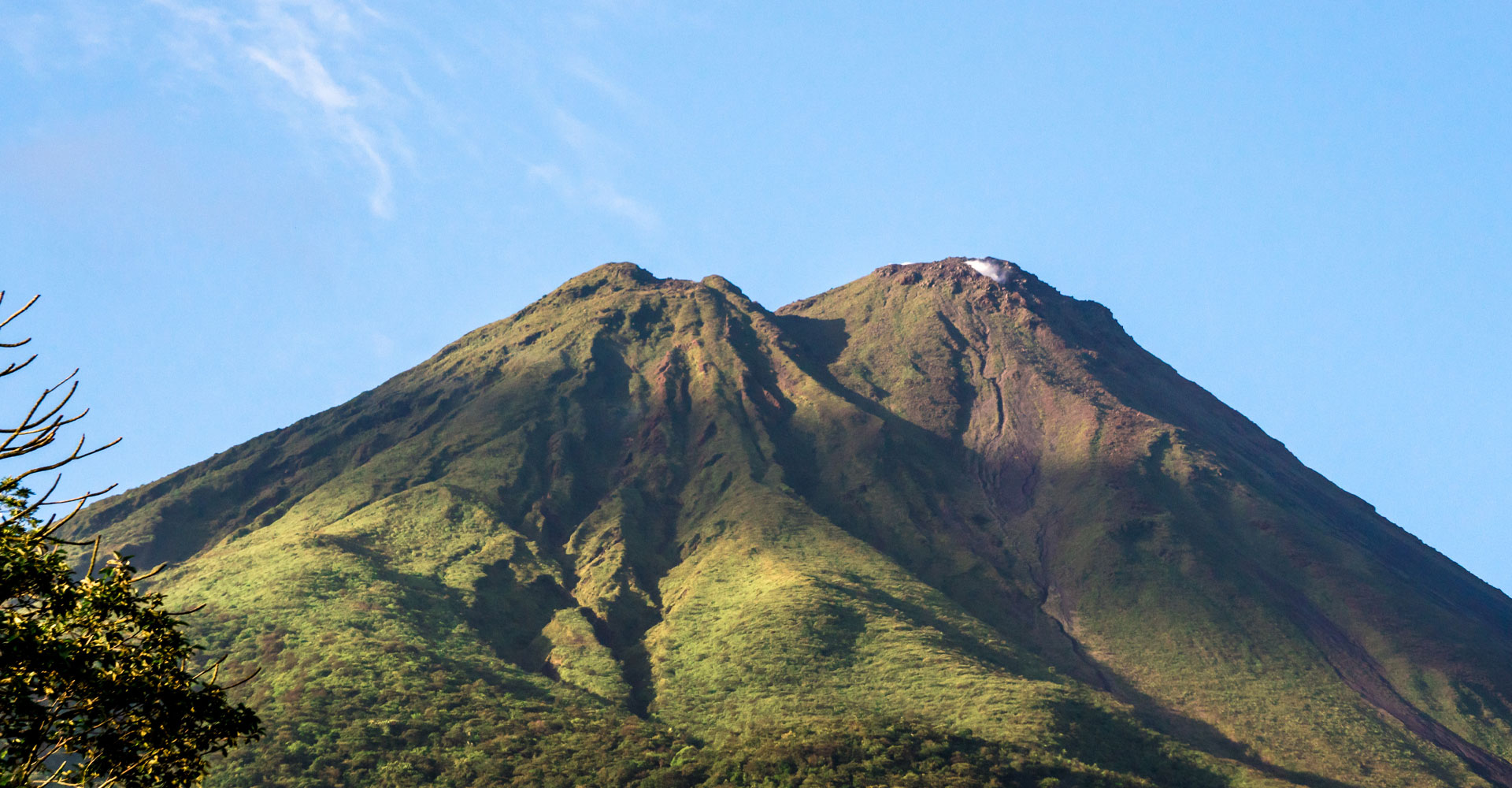
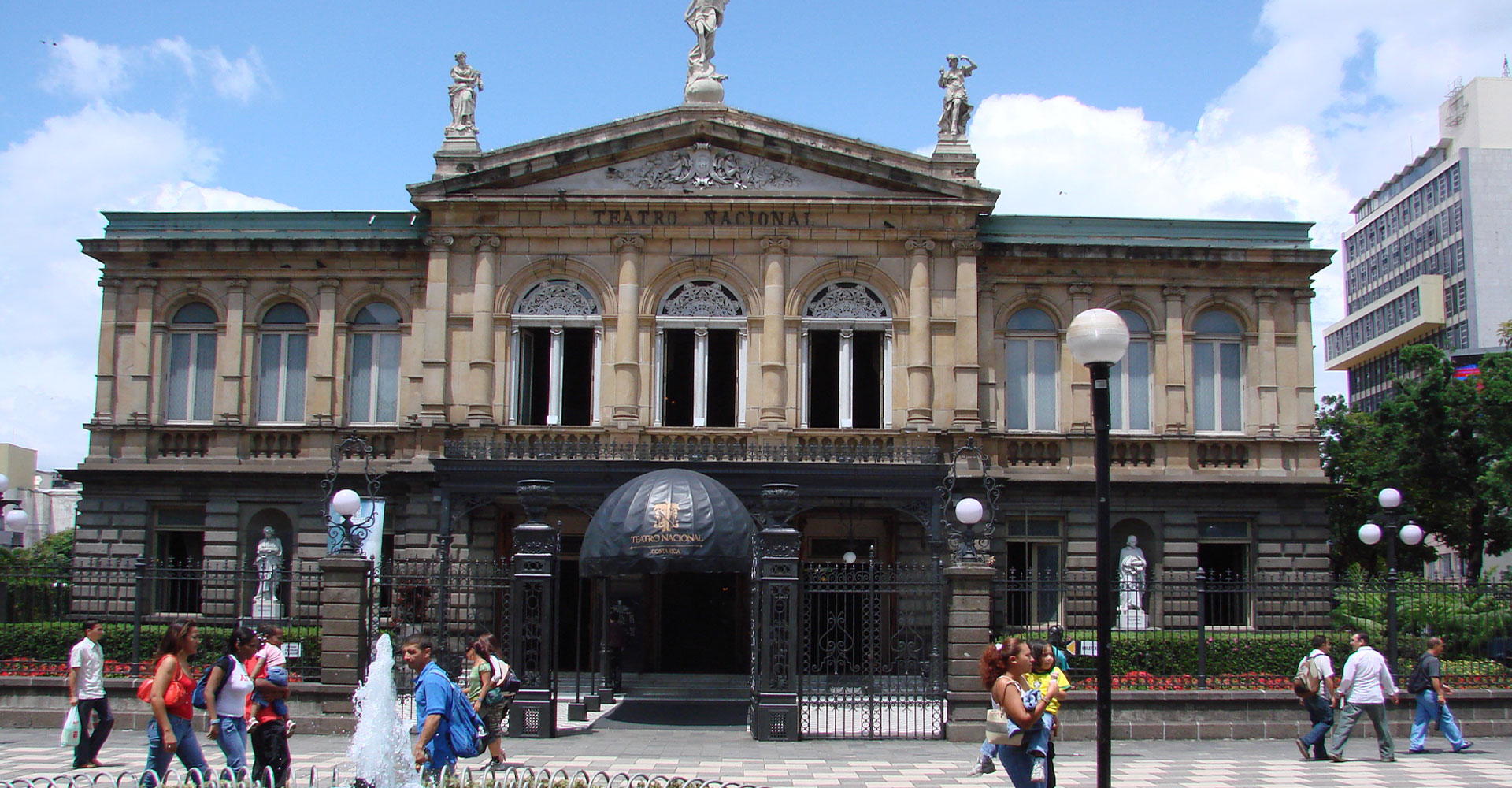
There are several volcanoes in the area that are visited by thousands of tourists each year, in addition to the historical monuments of the capital city, including but not limited to theaters, museums, and government institutions. One can get around the metropolitan area with relative ease thanks to the extensive network of buses, taxis, and the limited rail system.
The northern lowlands are known for their picturesque towns that welcome many tourists year-round. The small town of La Fortuna is a favorite among visitors due to its proximity to Arenal Volcano (about 6 km). There are several hotels, such as the Arenal Volcano Inn, as well as restaurants and bars, tourist attractions like canopy tours, suspension bridges, hiking trails, and much more in the area.
La Fortuna Waterfall is a must-see, cascading 70 meters from its base and surrounded by several natural pools. There are also incredible hot springs for those seeking a more relaxing adventure.
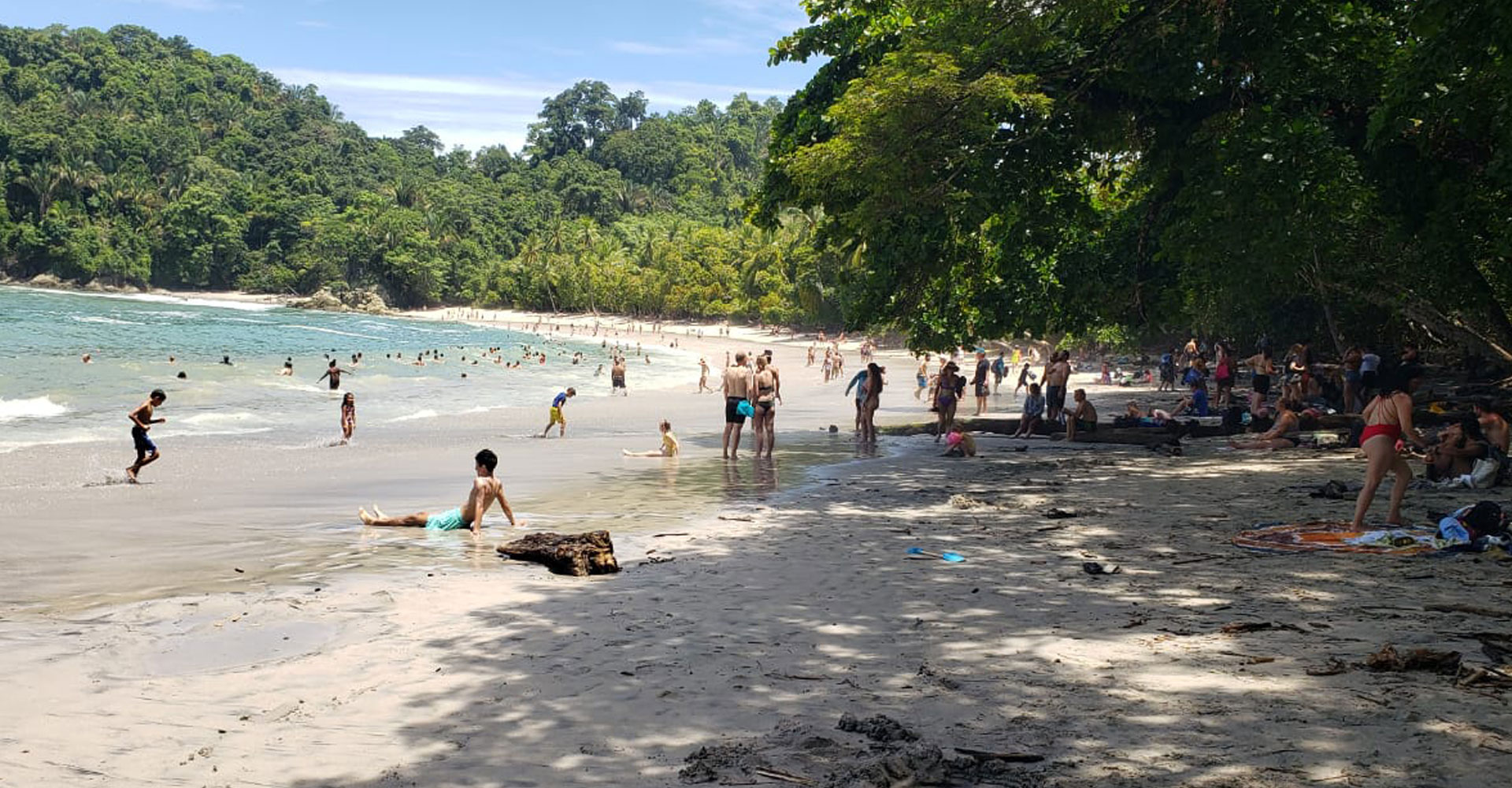
The Central Pacific extends along the Pacific coast, from Guanacaste to the Panamanian border. The Central Pacific region has a climate that varies from dry to humid depending on the area. Tourists can visit the United Fruit Company banana port on their way to Manuel Antonio, in Quepos. There are several reasonably priced hotels and cabins in the Quepos area.
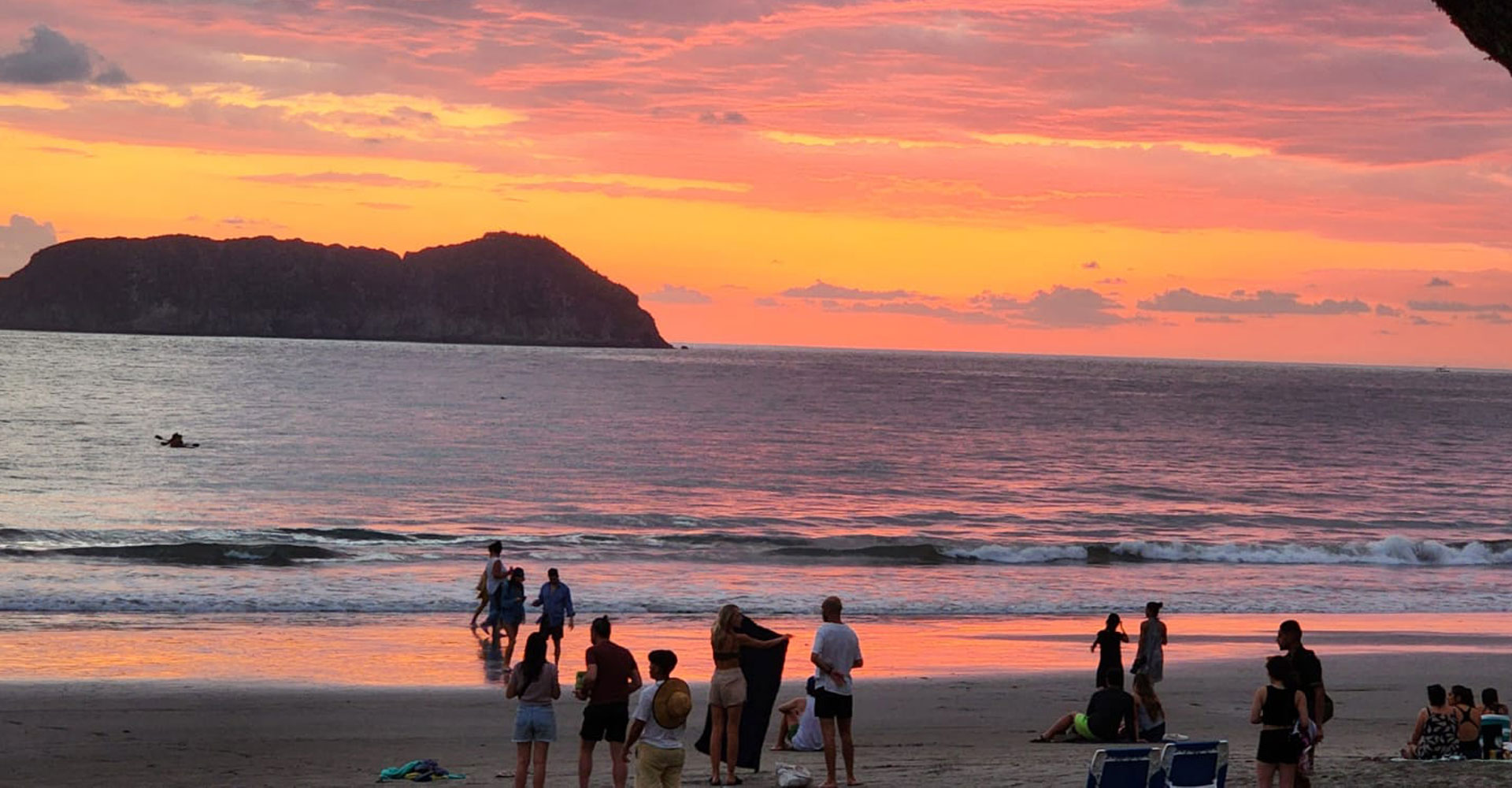
The North Pacific has some of the most spectacular and unique beaches in the country.
Highlights of the peninsula include Flamingo Beach, Conchal Beach, Tamarindo Beach, Negro Beach, and Avellanas Beach. On the eastern side of the southern peninsula, Montezuma Beach and Flamenco Beach are the most visited spots.
There are several luxury homes and hotels in the area with plenty to see and experience. This area is mostly very quiet and peaceful, with a great deal of sport fishing and surfing.
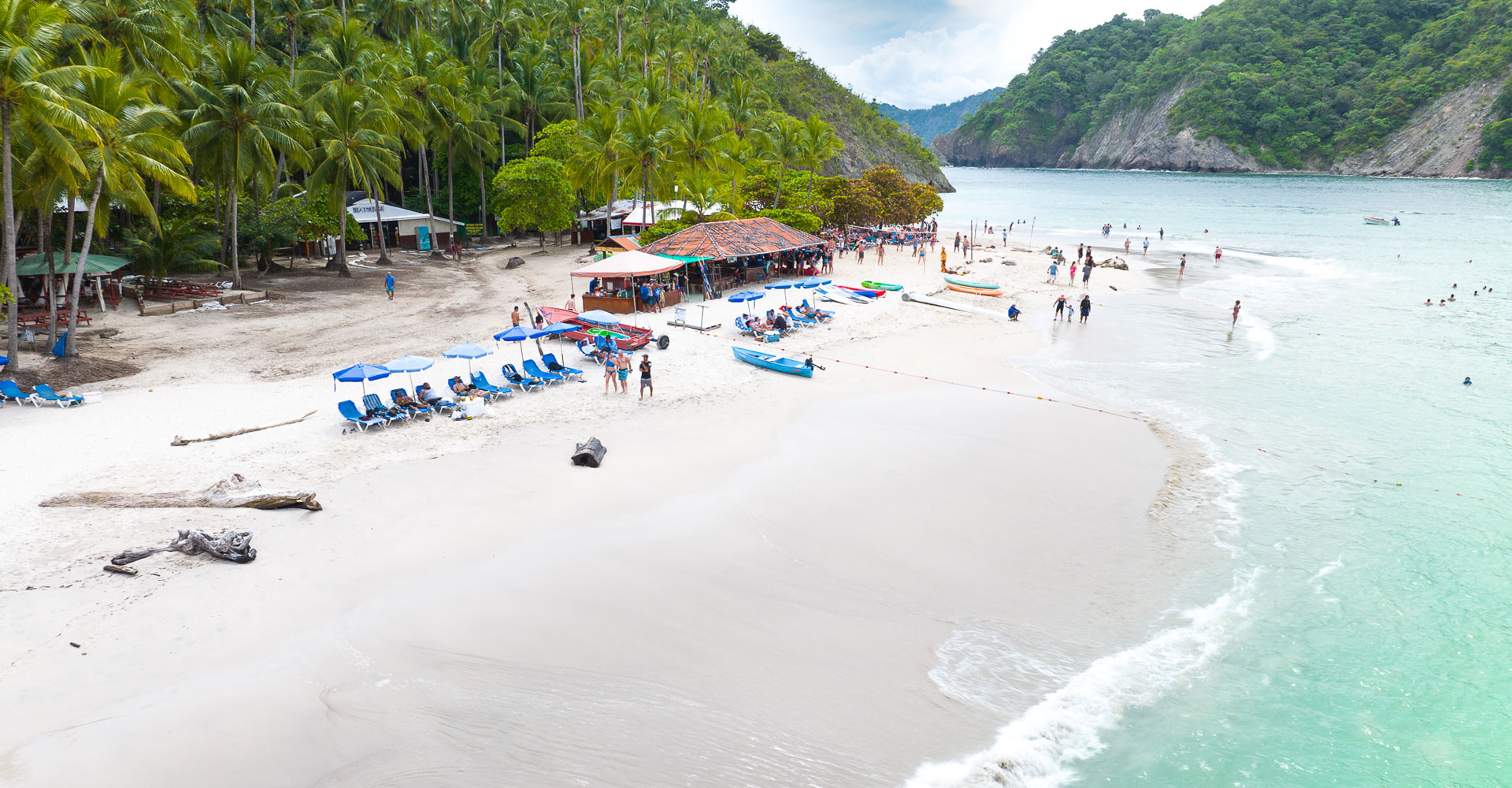
The Caribbean Coast is where the Caribbean Sea and the rainforest meet. There are several white sand beaches and crystal-clear waters. About a quarter of the Caribbean coast is protected.
The Caribbean coast is less frequented than the Pacific due to its rainy climate.
Numerous indigenous communities inhabit the Caribbean coast, including the Cocles, Bribri of Talamanca, and Cabécar, as well as a large Afro-Caribbean population.
The South Pacific is a fundamental part of Costa Rica’s geography in terms of biodiversity due to its maritime topography.
The Osa Peninsula and the Nicoya Peninsula are two very important peninsulas in the region. Osa is located in the southern province of Puntarenas. Despite being a relatively small area in terms of landmass, it contains a large number of tropical habitats: rainforests, coastal wetlands, mountain forests, among others.
This region is located in the famous Corcovado National Park, which is the largest protected area in Costa Rica and, according to National Geographic, “the area of greatest biological activity in the world.”
So go ahead and learn more, and experience the beauty and wonder that is Costa Rica.